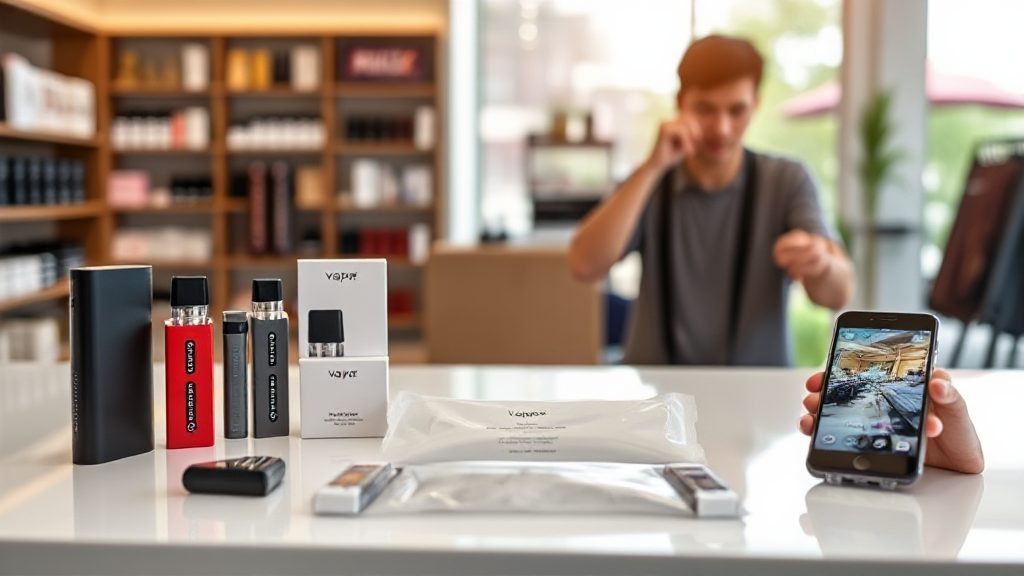
The Assumption That Delivery Retailers Are Less Trustworthy
Many shoppers assume that a vape supplier singapore operating through delivery must be less reliable than a physical shop. The reasoning feels intuitive: a storefront can be visited, a face can be seen, a receipt can be demanded on the spot. But this assumption deserves scrutiny rather than automatic agreement, because it confuses physical presence with accountability.
Why the Storefront Bias Exists
The preference for brick-and-mortar retailers is rooted in an old habit of equating visibility with legitimacy. When you walk into a shop, you can inspect the packaging, ask questions, and walk out with the product in hand. That immediacy creates a sense of control. Delivery retail, by contrast, asks you to trust a process you cannot watch.
But control and trust are not the same thing. A physical shop can also sell counterfeit stock, hide expired inventory, or disappear overnight. The difference is that delivery retailers are forced to build trust through different mechanisms: transparent product listings, clear order tracking, and a delivery process that either works or fails visibly.
The Real Question Is Accountability, Not Location
When evaluating any supplier, the better question is not “do they have a shop?” but “what happens when something goes wrong?” A delivery-based retailer that publishes its contact channels, responds to order issues, and uses discreet packaging is often more accountable than a shop with no return policy. The absence of a physical counter does not remove accountability; it simply shifts it to the ordering and delivery workflow.
Evidence That Delivery Retailers Can Be More Reliable
Consider how a legitimate delivery operation actually works. A reputable Sg vape disposable retailer must manage inventory carefully because same-day dispatch leaves little room for error. If a product is listed as available, it has to be physically in stock and ready to move. That operational pressure can produce tighter stock control than a casual shop that reorders only when shelves run empty.
Delivery retailers also tend to invest in clear product descriptions. Because customers cannot handle the device before buying, the listing must specify puff count, flavour, and compatibility. This forces a level of documentation that many physical shops never bother to provide. In practice, a well-run SG Vape same day delivery service can offer more pre-purchase information than a counter assistant who is juggling multiple customers.
Discreet Delivery as a Trust Signal
Discretion is another point in favour of delivery retail. A customer ordering online does not have to discuss preferences in public or carry a branded bag through a crowded mall. A Singapore vape delivery service that uses plain packaging and avoids unnecessary labelling is demonstrating respect for privacy, which is a form of reliability that a physical shop cannot easily match.
None of this means every delivery retailer is trustworthy. The point is that the delivery model itself is not the problem. The problem is poor operators, and they exist in both channels.
Where the Skepticism Is Still Warranted
The counter-argument has real force in one area: verification. A physical shop lets you confirm authenticity by inspecting seals and batch codes before payment. A delivery retailer asks you to trust the listing. That gap is real, and it is why buyers should look for specific signals rather than assume either channel is safe.
Look for a supplier that names its brands and product lines clearly. A sg vape delivery operation that lists recognisable products such as Lana, RELX, and Elfbar, and specifies models like Lana Bar 5000 Puffs, is giving you something to verify against. Vague listings with no brand names are the warning sign, not the delivery model itself.
Payment and communication also matter. A supplier that confirms orders promptly, provides a delivery window, and responds to follow-up messages is behaving like a business that expects to be held accountable. A sg vape lana listing with clear pricing and no hidden charges is a better indicator of reliability than a shopfront with no published policy.
Common Mistakes Buyers Make
- Treating a physical address as proof of authenticity without checking product seals.
- Assuming same-day delivery means rushed or careless handling.
- Ignoring the supplier’s contact and response record until after a problem occurs.
- Choosing the lowest price without confirming the product line and puff count.
The most useful habit is to judge the operator, not the channel. A lana vape delivery service that answers questions before you order is showing you how it will behave after you order.
The Measured Conclusion
The assumption that delivery retailers are inherently less trustworthy does not survive contact with how these businesses actually operate. Delivery adds a layer of process, and process can be audited, documented, and improved. A shopfront adds a layer of visibility, and visibility can be staged.
That said, skepticism is not misplaced; it is just aimed at the wrong target. The right target is the supplier’s transparency about brands, stock, pricing, and support. A delivery-based vape supplier singapore that is clear on all four is not less trustworthy than a physical shop. It is simply trustworthy in a different, more documented way. The burden is on the buyer to check the signals, and on the supplier to publish them.