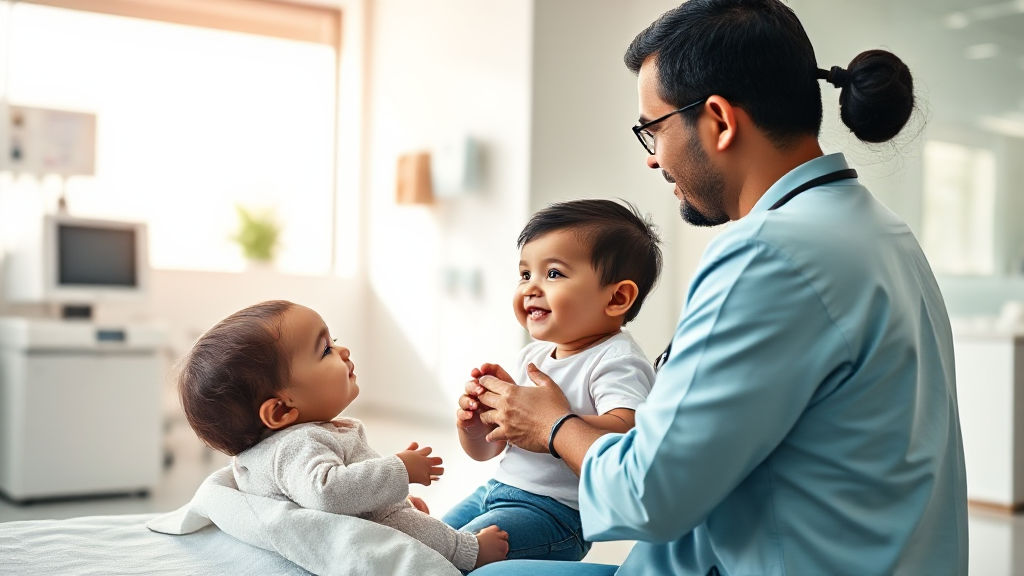
Pediatric Care in Ajmer Since 2018: How Parent Expectations Changed
Ask any pediatrician in Ajmer what parents want today, and the answers will sound different from what they might have heard a decade ago. The questions are sharper. The expectations are higher. Parents arrive with search results on their phones, vaccination schedules memorized, and a clear sense of what they consider acceptable care for a newborn or a toddler. This shift did not happen overnight, and it did not happen in isolation. It reflects broader changes in how families access information, how they compare services, and how they define quality in child healthcare. This article looks at that evolution since 2018, using one local pediatric center as a case example, and explores what it means for families navigating the choices available today.
For parents searching for the Best children hospital ajmer, the decision is rarely about a single factor. It is a blend of trust, accessibility, clinical reputation, and the feeling that a doctor listens. Understanding how those priorities have shifted helps explain why pediatric care in the city looks and feels different now than it did even a few years ago.
The Starting Point: What Pediatric Care Looked Like Around 2018
In 2018, Ajmer’s pediatric landscape was already established, but the conversation around child healthcare was narrower. Many families relied on general practitioners for routine childhood illnesses, reserving specialist pediatric visits for more serious concerns. Newborn care was often discussed in the context of the delivery hospital, with follow-up visits treated as a formality rather than a structured part of infant health management.
Mayur Childern Hospital was established in 2018, led by Dr. Mayur Kumar Goyal, and its founding focus reflected the needs of that period: newborn care, vaccinations, and child health services. At the time, the idea of a dedicated pediatric center in Ajmer was still gaining recognition. Parents were beginning to seek out facilities where children were the primary focus, not an adjunct to adult care. That shift—from generalist to specialist, from scattered visits to continuity—was the first sign of changing expectations.
What also changed was the way parents talked about hospitals. Word of mouth remained powerful, but it was increasingly supplemented by online reviews, social media groups, and WhatsApp forwards about vaccination drives and seasonal illnesses. A pediatrician’s reputation was no longer built only in the clinic; it was shaped in the community’s digital conversations as well.
What Parents Now Ask For: Higher Expectations and Sharper Questions
Today’s parents in Ajmer come prepared. They ask about vaccine brands and schedules, about the difference between a common cold and something that needs attention, about growth charts and developmental milestones. They want to know how a hospital handles night-time emergencies, whether a pediatrician is available for follow-up questions, and how newborn care is managed in the first critical weeks.
This is not simply a matter of parents being more demanding. It reflects a broader cultural shift toward informed parenting. Online resources, parenting communities, and government health campaigns have raised the baseline of what families know. The result is a more collaborative relationship between doctor and parent—one where explanations matter as much as prescriptions. pediatric dr ajmer
For a facility like Mayur Childern Hospital, this has meant adapting to a more engaged audience. Parents seeking a Best pediatrician in ajmer are not just looking for clinical credentials; they are looking for communication, availability, and a care environment designed for children. The hospital’s continued focus on newborn care, vaccinations, and child health services aligns with these expectations, but the way those services are delivered—with clearer guidance, structured follow-ups, and parent education—has become part of the value proposition.
Another change is the demand for continuity. Parents want the same pediatrician to see their child across visits, to remember the history, and to provide consistent advice. This is a departure from the older model of visiting whichever doctor was available. It reflects a deeper understanding that child health is cumulative, and that trust is built over time.
Vaccination Awareness: From Compliance to Conversation
Perhaps the most visible change since 2018 is in vaccination. Earlier, many parents approached vaccines as a checklist—something required for school admission or mandated by the government. Today, the conversation is more nuanced. Parents ask about optional vaccines, about timing and intervals, about what to expect after a shot, and about how to manage a child’s discomfort.
This shift has been driven by a combination of factors: increased awareness through health campaigns, greater access to information online, and a pediatric community that has become more proactive in explaining the rationale behind vaccination schedules. In Ajmer, this has translated into higher uptake of routine immunizations and growing interest in additional protective vaccines, though disparities remain across different communities.
For hospitals, this means vaccination services must be more than a quick injection. They require counseling, record-keeping, and follow-up reminders. Parents want to know that their child’s vaccination history is documented and accessible, and they want a pediatrician who can answer questions without rushing. A pediatric dr ajmer families trust is often one who takes the time to explain why a vaccine matters, not just when it is due.
The COVID-19 period, though outside the scope of this trend, accelerated some of these habits. Families became more accustomed to scheduling, to asking about hygiene and safety protocols, and to seeking credible information from their doctors. Those habits have persisted, and they have raised the bar for how vaccination services are delivered.
What This Means for Families Choosing a Children’s Hospital Today
For parents in Ajmer, the practical implications are clear. Choosing a children’s hospital is no longer just about location or cost. It is about whether the facility can meet a higher standard of engagement: accessible pediatricians, structured newborn care, transparent vaccination practices, and a child-friendly environment. md pediatrics in ajmer
Families are also more aware of the difference between a general hospital and a dedicated pediatric center. A children’s hospital focuses on the specific physiological and developmental needs of infants, children, and adolescents. This matters in everything from dosage calculations to the design of waiting areas. When parents search for an md pediatrics in ajmer, they are often looking for that specialization—a doctor with pediatric training and a facility equipped for younger patients.
The trend since 2018 has also brought a greater emphasis on preventive care. Parents are more likely to bring children in for routine check-ups, growth monitoring, and developmental assessments, rather than waiting for an illness to become serious. This proactive approach is beneficial for long-term health outcomes, but it also places demands on pediatric services to be accessible and affordable.
Another consideration is trust in the institution. Parents want to know that a hospital has consistent protocols, qualified staff, and a reputation that is earned over time. Mayur Childern Hospital, having operated in Ajmer since 2018, represents one example of a pediatric-focused facility that has grown alongside these changing expectations. Its emphasis on newborn care and child health services reflects the needs of a community that increasingly values specialized, continuous care.
Looking Ahead: A More Informed, More Engaged Pediatric Community
The changes in Ajmer’s pediatric care landscape are not dramatic in any single moment, but they are cumulative. Each year, parents become a little more informed, a little more likely to ask questions, and a little more selective about where they take their children. Hospitals and pediatricians, in turn, adapt by improving communication, expanding services, and focusing on the entire family’s experience.
For families, the takeaway is straightforward. The quality of pediatric care available in Ajmer today is shaped by their own expectations. By seeking out facilities that prioritize newborn care, vaccination awareness, and child-focused consultation, parents contribute to a cycle of improvement. The best children’s hospital is not just the one with the most equipment or the longest history; it is the one that listens, explains, and evolves with the community it serves.
As Ajmer continues to grow, the conversation around child healthcare will keep shifting. But the core remains the same: parents want a trusted partner in their child’s health. Understanding how that partnership has changed since 2018 helps families make more confident choices today—and helps pediatric providers meet them where they are.