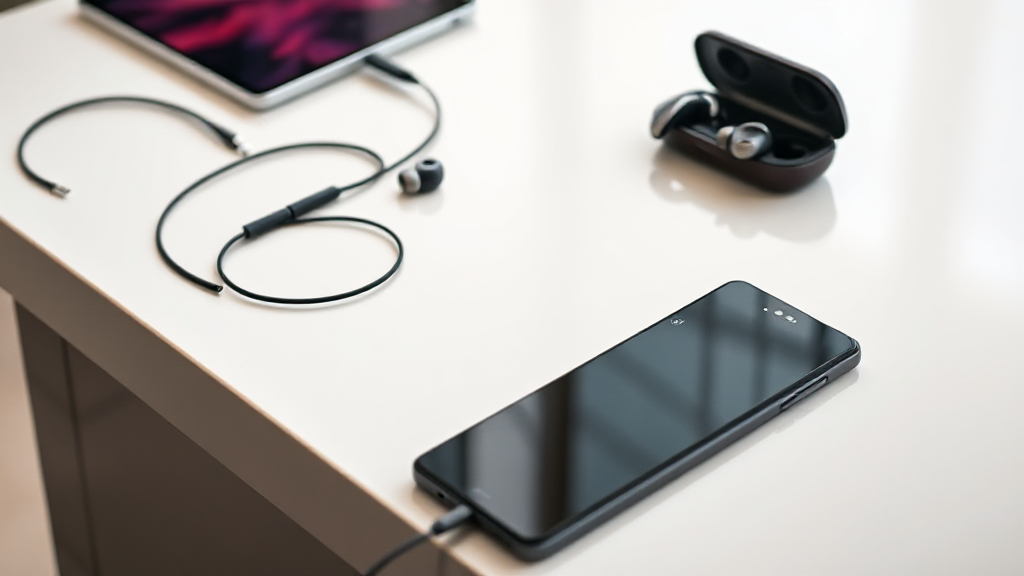
Buying a OnePlus Phone for the First Time: 7 Problems and Their Fixes
What changed recently in the phone market is not the arrival of yet another flagship. It is the fact that buyers in Germany now have a genuine third option that sits between the two obvious camps. For years, the choice was essentially a Samsung or an iPhone, with everything else treated as a compromise. That framing no longer holds. A first-time buyer looking at oneplus is now comparing a brand that ships fast-charging hardware, clean software and competitive pricing against names that have been in the same slot for a decade. The shift matters because the decision is no longer about whether the alternative is good enough. It is about whether the alternative fits how you actually use a phone.
This is written for someone doing this for the first time. Not a spec-sheet comparison, but a list of the things that genuinely trip people up, followed by the fix for each. If you have never owned a OnePlus device and you are weighing one against the alternatives, these are the seven problems you are most likely to hit, in the order you are most likely to hit them.
Problem 1: You Are Comparing the Wrong Numbers
The first mistake is treating the spec sheet as a scoreboard. A buyer sees a higher megapixel count on one phone, a larger battery on another, and assumes the bigger number wins. It rarely works that way. Camera quality depends far more on sensor size, processing and lens quality than on the raw megapixel figure, and battery life depends on how efficiently the chip and display use power, not just on capacity.
The fix is to compare in categories that map to your actual use. Ask three questions instead. How long does the battery last under your real workload? How good is the camera in the lighting you actually shoot in, which for most people is indoor and evening rather than bright daylight? And how heavy is the phone in your hand after twenty minutes? The last one sounds trivial and is not. A phone that feels fine in a shop for two minutes can become annoying after a long call or a commute.
OnePlus devices tend to compete on charging speed and on software responsiveness rather than on headline camera numbers. If those two things matter to you, the comparison tilts in their favour. If you shoot a lot of video in difficult light and want the most consistent results, a different brand may still be the better fit. Neither answer is wrong. The point is to decide which category you are actually optimising for before you start reading reviews.
Problem 2: You Do Not Know Which Model Tier You Need
Every phone brand now sells three or four tiers, and the naming rarely makes the hierarchy obvious. A first-time buyer can easily end up paying flagship money for features they will never use, or saving money on a model that frustrates them within a month.
The fix is to work backwards from the two or three things you do most. If your phone is mainly messaging, browsing, music and the occasional photo, a mid-tier model will feel identical to a flagship in daily use. The differences show up in demanding games, in multi-camera video work and in how many years of software updates you get. If you play graphically heavy games or shoot a lot of video, the higher tier earns its price. If you keep phones for four or five years, prioritise the model with the longest update commitment, because that is what determines whether the device still feels current in year four.
There is also a practical tier question that gets ignored: storage. Cloud storage has made people complacent, and then they fill a phone with photos and offline media and spend the last year of ownership deleting things. Buying one storage step above what you think you need is usually the cheapest upgrade you can make.
Problem 3: The Charging Story Confuses First-Time Buyers
Fast charging is one of the clearest reasons people choose OnePlus, and also one of the most misunderstood. Buyers assume that a phone with very fast charging will charge quickly with any cable and any adapter. It will not. The fastest speeds require a compatible charger and cable, and using the wrong one simply drops you to standard speeds.
The fix is to treat the charger as part of the phone, not as an accessory you replace with whatever is in the drawer. If you buy a OnePlus device, keep the bundled charger for home and buy a second compatible one for work or travel rather than borrowing a generic adapter. This is the single most common source of the complaint that “the fast charging does not work” — it usually does work, just not with the hardware plugged into it.
There is a second, quieter benefit here. Fast charging changes your charging habits. You stop leaving the phone on a cable overnight and start topping it up in short bursts, which is generally easier on the battery over the life of the device. That is a behavioural win, not just a specification.
Problem 4: The Software Feels Different and You Panic
Anyone switching from a long-standing Android skin or from iOS will notice differences in the first week. The launcher behaves differently, notifications are grouped differently, and some settings live in places you do not expect. First-time buyers often read this as a defect or as a sign that the phone is not for them.
The fix is to give it two weeks before judging. Most of what feels wrong in the first three days is muscle memory, not design. Change the launcher if you want a familiar layout, adjust the notification settings once, and then stop fiddling. The mistake is to keep changing settings daily, which prevents any of them from becoming familiar.
What most people find after that adjustment period is that the software is lighter than they expected. OnePlus has historically kept its interface close to stock Android, which means fewer preinstalled apps and less visual clutter than many competitors. If you are coming from a heavily customised skin, that lightness is the feature, not a missing feature.
Problem 5: You Buy From the Wrong Place and Lose the After-Sales Support
Price comparison sites push buyers toward the cheapest listing, which is often an unofficial importer. The phone arrives, works fine, and then something goes wrong eight months later. At that point the buyer discovers the warranty is tied to a region they did not buy from, and support is either unavailable or painfully slow.
The fix is to weigh the saving against the risk. A modest discount from an unofficial seller is rarely worth losing straightforward warranty service. Buying through the official channel, or through a reputable local retailer with clear German consumer protections, costs a little more and removes an entire category of future problem. For a device you will carry every day for years, that is a reasonable trade.
This is also where the ecosystem question matters. If you are considering a phone, a tablet, earbuds or a wearable together, buying them as a set from one source simplifies support and usually improves how well they work with each other. Pairing and handoff between devices from the same family are smoother than mixing brands, and having one point of contact for service is worth more than it sounds when something actually breaks.
Problem 6: You Ignore the Accessories Until It Is Inconvenient
New phone buyers focus entirely on the phone and treat everything else as an afterthought. Then the first scratch appears, or the battery runs flat on a long day out, or the earbuds they already own turn out to pair badly.
The fix is to plan the accessories at the same time as the phone, not after. A case and a screen protector are cheap insurance against the most common damage. A second compatible charger removes the daily charging anxiety. If you use wireless earbuds, check how they behave with the new phone before you commit, because codec support and latency vary more than the marketing suggests.
For people who want one coherent setup, buying the phone, earbuds and wearable from the same brand family removes most of these small friction points at once. It is not a requirement, and mixing brands works, but the setup time and the troubleshooting time are both lower when the devices were designed to talk to each other.
Problem 7: You Do Not Plan for the Trade-In or Resale From Day One
The final problem is the one nobody thinks about until it is too late. Buyers treat the purchase as a one-off decision and then, three years later, are surprised by how little the device is worth and how little they can do with it.
The fix starts on day one. Keep the original box and cable. Put a case on the phone immediately, because cosmetic condition is the single biggest factor in resale value. And check whether the brand you are buying from offers a trade-in or upgrade programme in your market, because those programmes often pay more than a private sale and are far less hassle.
If you are buying a phone you intend to keep for four or five years, this matters less, but the update commitment matters more. Choose the model with the longest software support window and the storage tier you will not outgrow. That combination, rather than any single specification, is what determines whether the phone still feels worth using at the end of its life.
Frequently Asked Questions
Is OnePlus a good first choice if I have only ever used Samsung or Apple?
Yes, with one caveat. The hardware and software are competitive, and the charging speed is usually the feature that converts people. The caveat is that the first two weeks will feel unfamiliar. Give it that time before deciding, and change the launcher if you want a more familiar layout.
Do I need to buy the official charger separately?
You need a compatible charger to get the fastest charging speeds, and the bundled one is the simplest way to get that. If you want a second one for work or travel, buy a compatible model rather than using a generic adapter, which will fall back to standard speeds.
Should I buy the phone, earbuds and wearable together?
It is not necessary, but it simplifies pairing, support and warranty handling. If you are replacing several devices at once, buying them as a set from one source usually saves time and removes compatibility guesswork.
How long should I expect the phone to stay current?
That depends on the model’s software update commitment rather than on the hardware. If you plan to keep the phone for four or more years, prioritise the model with the longest support window and buy one storage tier above what you think you need.
Where should I buy to keep the warranty straightforward?
Buy through the official channel or a reputable local retailer with clear consumer protections. The cheapest listing is often an unofficial importer, and the saving is rarely worth losing simple warranty service later.